Living with Carbon Steel
Unlike modern stainless steel, traditional high-carbon blades are "alive." They react to their environment, developing character and personality through use. This isn't a defect—it's a characteristic of high-performance steel that has been prized by craftsmen for centuries. Learn more about our Swedish high-carbon steel.
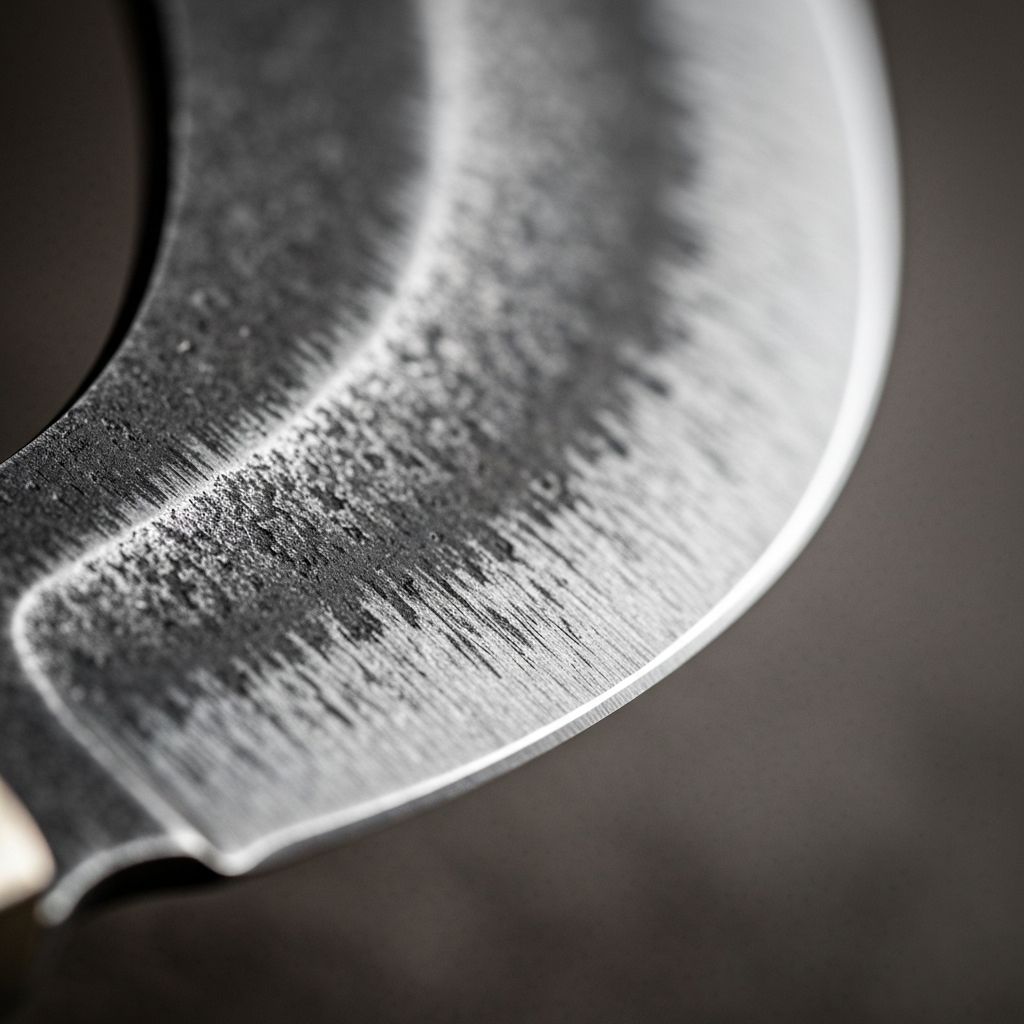
Understanding the Patina
Over time, your Skandia knife will darken, developing a grey or bluish layer known as a "patina." This natural oxidation actually protects the steel from harmful red rust. Many bushcrafters and professional chefs view a patina as a badge of honor—a visual record of the meals cooked, fires started, and adventures experienced. The patina forms naturally through exposure to acidic foods, moisture, and use, creating a protective barrier that becomes more effective over time.
The Golden Rule
Never put your knife away wet. This is the single most important rule for carbon steel care. After every use, wipe the blade clean and completely dry with a soft cloth. If you've been cutting acidic foods like citrus, tomatoes, or onions, rinse the blade with clean water first, then dry thoroughly. Moisture is the enemy of carbon steel—even a few minutes of dampness can lead to rust spots.
Regular Oiling Protocol
If you plan to store your Skandia knife for more than a week, or if you live in a humid climate, apply a thin layer of food-safe mineral oil or traditional camellia oil to the blade. Use a soft cloth to apply the oil in circular motions, covering the entire blade surface. This creates a moisture barrier that prevents oxidation. For daily users, a quick wipe with an oiled cloth after cleaning is sufficient maintenance.
What Makes Carbon Steel Superior?
High-carbon steel has been the preferred material for premium knives for over a thousand years. While it requires more care than stainless steel, the performance benefits are substantial: superior edge retention, easier sharpening, better toughness, and the ability to take an extremely sharp edge. Carbon steel typically contains 0.6-1.5% carbon, which creates a harder, more durable crystalline structure. The traditional carbon steel used in Skandia knives can achieve and maintain an edge sharpness that stainless steel simply cannot match.
Professional bushcrafters, hunters, and chefs worldwide prefer carbon steel because when properly cared for, these blades can last for generations while maintaining their performance characteristics. The patina that develops is not corrosion—it's a protective layer of iron oxide that actually prevents the red rust that would damage the blade. Discover why the Scandi grind complements carbon steel perfectly.
Caring for the Curly Birch Handle
Our handles are crafted from authentic Curly Birch (Masur Birch), also known as Karelian birch—one of the most prized hardwoods in Scandinavia. Each handle is kiln-dried and stabilized to resist moisture and temperature changes. The distinctive flame-like grain pattern is a natural occurrence that makes every Skandia knife truly unique. With proper care, your curly birch handle will remain beautiful and functional for decades.
Annual Oil Treatment
Apply boiled linseed oil or Danish oil to your handle once or twice a year, or whenever the wood begins to look dry or faded. This treatment nourishes the wood fibers, prevents cracking, and enhances the natural beauty of the curly grain pattern. In harsh climates or with heavy use, you may need to oil more frequently—the wood itself will tell you when it needs attention by appearing dull or feeling dry to the touch.
Application Process
Using a clean, lint-free cloth, apply the oil to the handle in the direction of the grain. Rub it in thoroughly, working the oil into the wood. Let the oil sit for 15-20 minutes to penetrate deeply, then wipe away any excess with a fresh cloth. Allow the handle to dry overnight in a well-ventilated area before using the knife. This process will make the distinctive flame pattern "pop" and create a water-resistant protective layer.
Handle Protection Tips
Never soak your knife or leave it in water—even a few minutes can cause the wood to swell and crack. Avoid exposing the handle to extreme temperature changes. If the handle gets dirty, clean it with a slightly damp cloth and dry immediately. The natural oils from your hands during regular use also help maintain the wood, gradually developing a smooth patina that enhances grip and character.
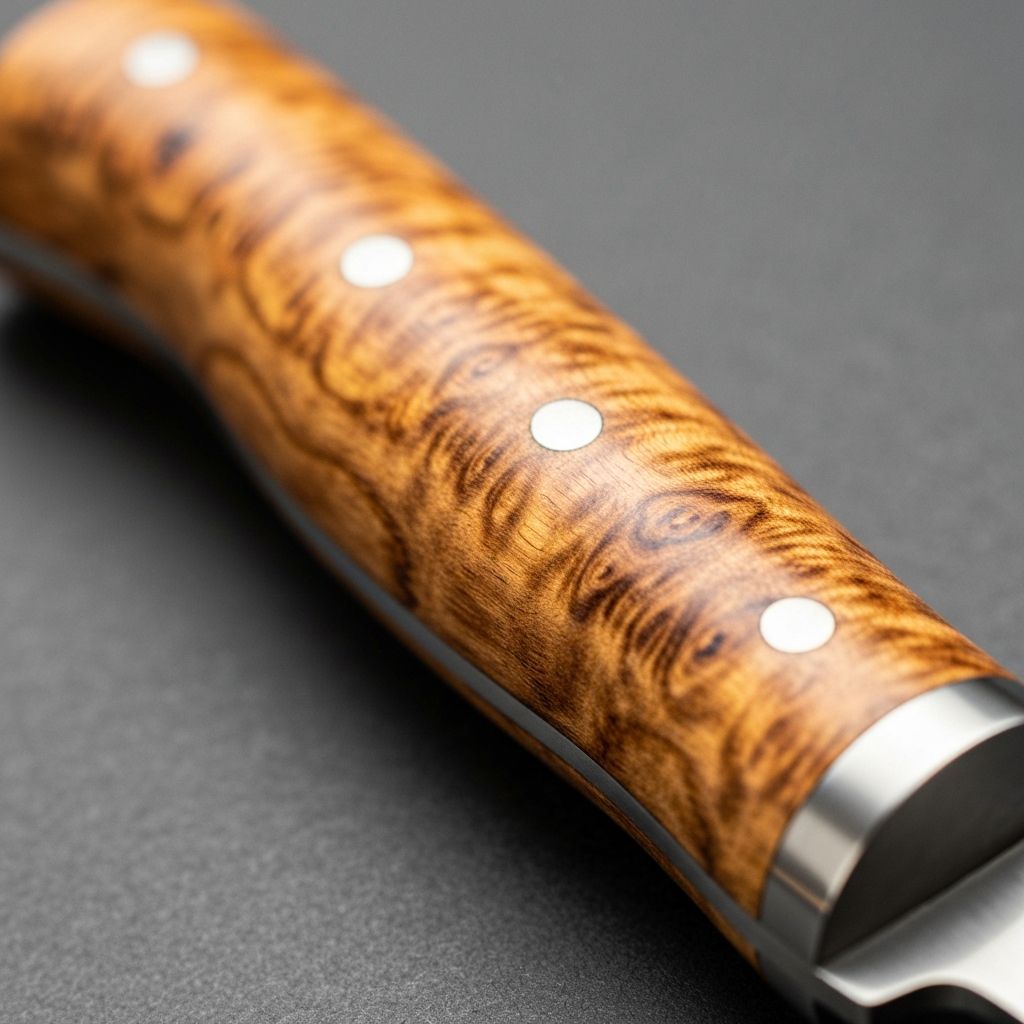
Why Curly Birch?
Curly birch has been the wood of choice for traditional Scandinavian knife makers for centuries. Growing primarily in the northern forests of Finland, Sweden, and Russian Karelia, this wood develops its unique flame-like grain pattern as a response to environmental stress. The pattern is caused by undulating wood fibers that create a three-dimensional effect, with the grain appearing to shift and shimmer as you move the knife.
Beyond its stunning appearance, curly birch offers excellent practical properties: it's dimensionally stable, naturally resistant to moisture when properly treated, provides a secure grip even in wet conditions, and develops a beautiful patina with age and use. The hardness of the wood also means it won't dent or compress easily, maintaining its comfortable feel throughout decades of use. Each curly birch handle is a work of natural art that connects you to the ancient forests of the North.
Rust Prevention & Removal
Even with proper care, carbon steel can develop rust spots if exposed to moisture. Here's how to prevent rust and safely remove it if it appears.
Prevention
- •Always dry your knife immediately after use or washing
- •Apply a light oil coating before storage, especially in humid climates
- •Store in a dry location with good air circulation
- •Avoid leather sheaths for long-term storage as they can trap moisture
- •Use regularly—oils from your hands help protect the steel
Surface Rust
For light surface rust (orange spots):
- Clean the blade with warm water and mild soap
- Use a rust eraser or fine steel wool (0000 grade) with light circular motions
- For stubborn spots, make a paste with baking soda and water
- Wipe clean and dry thoroughly
- Apply oil immediately to prevent recurrence
Most surface rust can be removed in 5-10 minutes.
Deep Rust
For deep rust with pitting:
- Soak blade in white vinegar for 30-60 minutes
- Scrub with a brass brush or fine steel wool
- Rinse thoroughly with clean water
- Dry completely and oil generously
- May require re-sharpening after rust removal
Deep rust may leave permanent marks but won't affect performance.
Understanding Rust vs. Patina
It's crucial to understand the difference between harmful rust and protective patina. Patina is a dark grey or bluish-black coating that forms naturally on carbon steel. It's smooth, even, and actually protects the blade. Rust is orange or reddish-brown, feels rough or flaky, and will continue to damage the steel if not removed.
A well-developed patina is desirable and should not be removed. It forms through exposure to acids in food, use, and time. Many users intentionally develop patina by cutting acidic foods like apples or potatoes. The patina will continue to darken and become more protective with age, eventually creating a nearly black finish that provides excellent rust resistance while maintaining the blade's cutting performance.
Proper Storage Methods
How you store your Skandia knife is just as important as how you use it. Proper storage protects both the blade and the beautiful curly birch handle, ensuring your knife remains in peak condition. Understanding your knife's materials helps you care for it properly.
Home Storage
For everyday storage at home, keep your Skandia knife in a dry location away from moisture sources like sinks or dishwashers. A knife block, magnetic strip, or individual knife guard are all excellent options. Avoid storing in drawers where the blade can rub against other utensils.
If using a sheath, ensure both the knife and sheath interior are completely dry before storage. Leather sheaths can trap moisture, so for long-term storage (more than a week), remove the knife from the sheath and store separately. Apply a thin coat of oil to the blade if storing for extended periods.
Best practice: Store horizontally on a magnetic strip or in a knife block in a climate-controlled room.
Field Storage
When camping or in the field, your Skandia knife requires extra attention due to exposure to the elements. After each use, clean and dry the blade thoroughly, even if it means taking an extra minute at camp. The investment in care is worth it.
Keep your knife in its sheath when not in use, but check it daily for moisture accumulation. If the weather is wet or humid, remove the knife from the sheath at night and wipe with an oiled cloth. Store the knife in your pack rather than on your belt when not actively using it to protect from rain and condensation.
Pro tip: Carry a small bottle of mineral oil and a microfiber cloth for quick maintenance in the field.
Long-Term Storage
For seasonal or long-term storage (several months), take extra precautions to protect your investment. Clean and dry the knife completely, then apply a generous coat of mineral oil or specialized knife preservation oil to the blade. Some users prefer to coat the blade with petroleum jelly for maximum protection.
Wrap the blade (not the handle) in wax paper or acid-free paper, then store in a climate-controlled environment. Check the knife every few months, reapplying oil as needed. The curly birch handle should also be oiled before long-term storage to prevent drying and cracking.
Remember: A well-maintained Skandia knife can last for generations with proper storage and care.
Sheath Care
Your knife's leather sheath also requires maintenance to provide proper protection. Leather sheaths should be conditioned 2-3 times per year with leather conditioner or mink oil. This keeps the leather supple and prevents it from drying out and cracking.
If the sheath gets wet, allow it to dry naturally at room temperature—never use direct heat or sunlight, which can cause the leather to shrink and become brittle. Clean the interior of the sheath periodically by turning it inside out and wiping with a dry cloth to remove any debris or moisture.
A well-maintained sheath provides years of reliable protection and develops its own beautiful patina.
Storage Environment Matters
The ideal storage environment for carbon steel knives is cool, dry, and well-ventilated with relative humidity below 50%. Avoid storing knives in basements, garages, or sheds where humidity fluctuates. Temperature changes can cause condensation to form on the blade, leading to rust.
If you live in a particularly humid climate (coastal areas, tropical regions), consider using silica gel packets or a small dehumidifier in your storage area. Some collectors use gun safes with built-in dehumidifiers for their premium knife collections. The small investment in proper storage conditions will protect your Skandia knife for decades or even generations, maintaining both its functionality and value.
Maintenance Schedule
Follow this timeline to keep your Skandia knife in optimal condition throughout the year.
After Each Use
Wipe blade clean and dry immediately. If cutting acidic foods, rinse first with clean water, then dry thoroughly. For frequent users, a quick wipe with an oiled cloth provides ongoing protection.
Regular Inspection
Check blade for any signs of rust or moisture. Inspect handle for dryness or damage. If storing between uses, apply a light coat of oil to the blade. Check sheath interior for moisture or debris.
Deep Clean & Oil
Give blade a thorough cleaning with mild soap and warm water. Dry completely and apply fresh coat of protective oil. Check edge sharpness—touch up with honing steel if needed. Wipe down handle with slightly damp cloth.
Handle Treatment
Apply boiled linseed oil or Danish oil to curly birch handle (2-4 times per year depending on use and climate). Let oil penetrate for 15 minutes, wipe excess, dry overnight. This enhances grain pattern and provides moisture protection. Also condition leather sheath if applicable.
Complete Maintenance
Full professional sharpening (or careful home sharpening with whetstones). Deep clean including removing any built-up patina if desired (though many users prefer to keep it). Thoroughly inspect handle attachment and rivets. Complete handle oiling treatment. Replace sheath if showing significant wear.
This is an excellent time to document your knife's patina development and character—take photos to track its journey as your trusted companion.
"A well-maintained Skandia knife becomes more than a tool—it becomes a legacy, a connection to tradition, and a reliable companion for life's adventures."
— Traditional Scandinavian Knife Makers Wisdom